
Uncategorized
How to Read a Certificate of Analysis (COA)
20
Oct
Oct
A certificate of analysis, or COA, is the report a lab issues after it tests one batch. For lab teams, it is the fastest way to check the material on the bench. In short, it shows whether the vial matches the paperwork.
This guide walks through each part of the report in plain words. First, we look at why the report matters. Then, we go through the header, the test results and the warning signs. Finally, we show you how to verify a report in under a minute.
Why a certificate of analysis matters
Every study depends on the material you start with. If the purity is lower than you think, your results can drift. Also, if the compound is not what the label says, the whole experiment loses value. So, a clear report protects your time and your budget. A good COA also builds trust between you and your supplier. Because an outside lab writes it, the report does not rely on the seller’s word. As a result, you can judge each batch on its own data.The header of a certificate of analysis
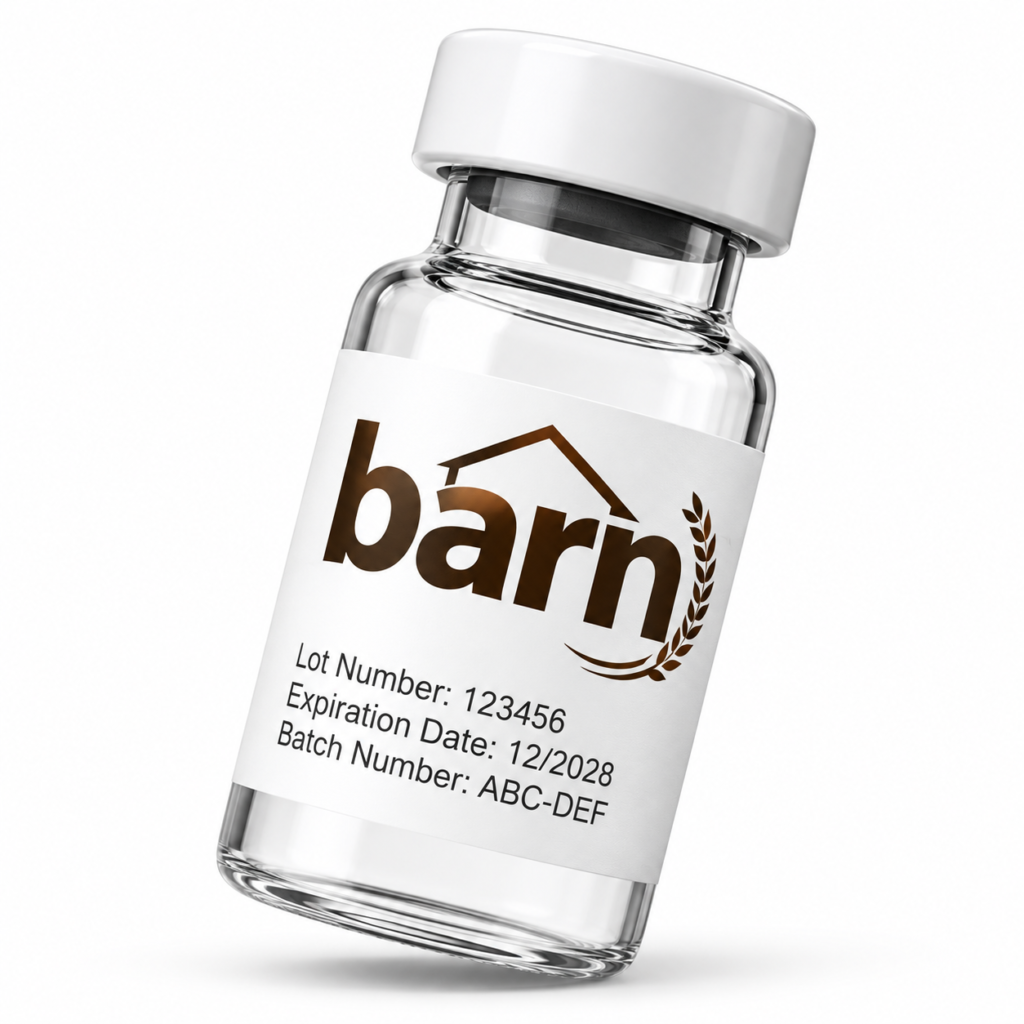
The top of the report names the testing lab and the date of the test. It also shows a unique report number and the sample ID. Next, compare that sample ID with the batch or lot number on your vial label. If the two do not match, the COA does not describe your material. Some headers also list the client name and the date the lab received the sample. These details help you trace the report back to a single shipment. In addition, they show how long the lab took to finish the work.Identity results
Identity tests on a certificate of analysis confirm that the compound is what it claims to be. Usually, the lab uses mass spectrometry for this step. It compares the measured mass with the expected value. A result marked as a match, or within a small range, is what you want to see. However, a mass match alone does not prove the sample is pure. It only shows that the main compound is present. That is why the purity result sits right next to it.Purity results
On a certificate of analysis, labs normally measure purity with HPLC. The report shows it as a percentage of the main peak against everything the detector found. For example, a figure of 99.1% means that 99.1% of the signal belongs to the target compound. Many reports also include the chart itself, called a chromatogram. In a clean sample, one tall peak stands out. Meanwhile, small peaks show other compounds, such as short chains left over from synthesis. If you want more detail, our HPLC guide explains the chart step by step.Quantity or content
Some reports also state the measured amount in each vial. As a result, you can confirm that fill weights stay steady from vial to vial. This matters when you plan how many vials a study needs. For instance, a 10 mg vial that tests at 10.2 mg is well within the expected range. On the other hand, a result far below the label value is worth a question to your supplier.
Endotoxin and other tests
A purity report does not cover bacterial endotoxins. So, many labs order a separate LAL test and issue a second report. When a batch has one, it usually shows the result in endotoxin units per milligram or per vial. You can read more in our guide to endotoxin testing. Some batches also carry tests for water content or heavy metals on the certificate of analysis. These are less common for research peptides. Still, they add useful detail when a study needs tight control.Red flags to watch for
- A batch number that does not match your label.
- No lab name, report number or test date.
- Missing check code or link to the lab.
- A purity figure with no chart or method.
- One report that shows up for many different batches.
How to verify a certificate of analysis
- First, check that the batch number on the report matches your label.
- Then, look for a check code or link from the testing lab.
- Next, open that link on the lab’s own website, not from a screenshot.
- Finally, confirm that the test date is recent enough for the batch.
Keep a record of each report
Save a copy of every certificate of analysis with your lab notes. Also, write the batch number next to your results for each run. Later, if a result looks odd, you can trace it back to the exact batch. In short, good records turn a single report into a long-term quality check.Common questions
How old can a report be? Ideally, the test date falls close to the batch date. However, a stable, sealed batch can keep the same report for many months. Can one report cover two warehouses? Yes, when both warehouses hold the same batch. So, always match the batch number rather than the warehouse. What if a link does not open? First, try again on the lab’s own site. Then, contact our team, and we will send the original file. Above all, a certificate of analysis is your best check on any batch. All our materials are for lab research use only. They are not for human or animal use.